
not!key.studio
Web Applications - SaaS - Video Games
One studio, multiple playgrounds
not!key.studio, It's a French independent studio that designs digital products: web applications, SaaS tools, and video games. The common thread running through all these projects? An obsession with... quality, a strong taste for detail and a desire to create things that matter, regardless of the medium.
Each project is managed from start to finish: from concept to art direction, from development to deployment, including interface design and communication. This is what makes an independent studio strong – a coherent vision at every stage.
What are the plans?
GR-GO
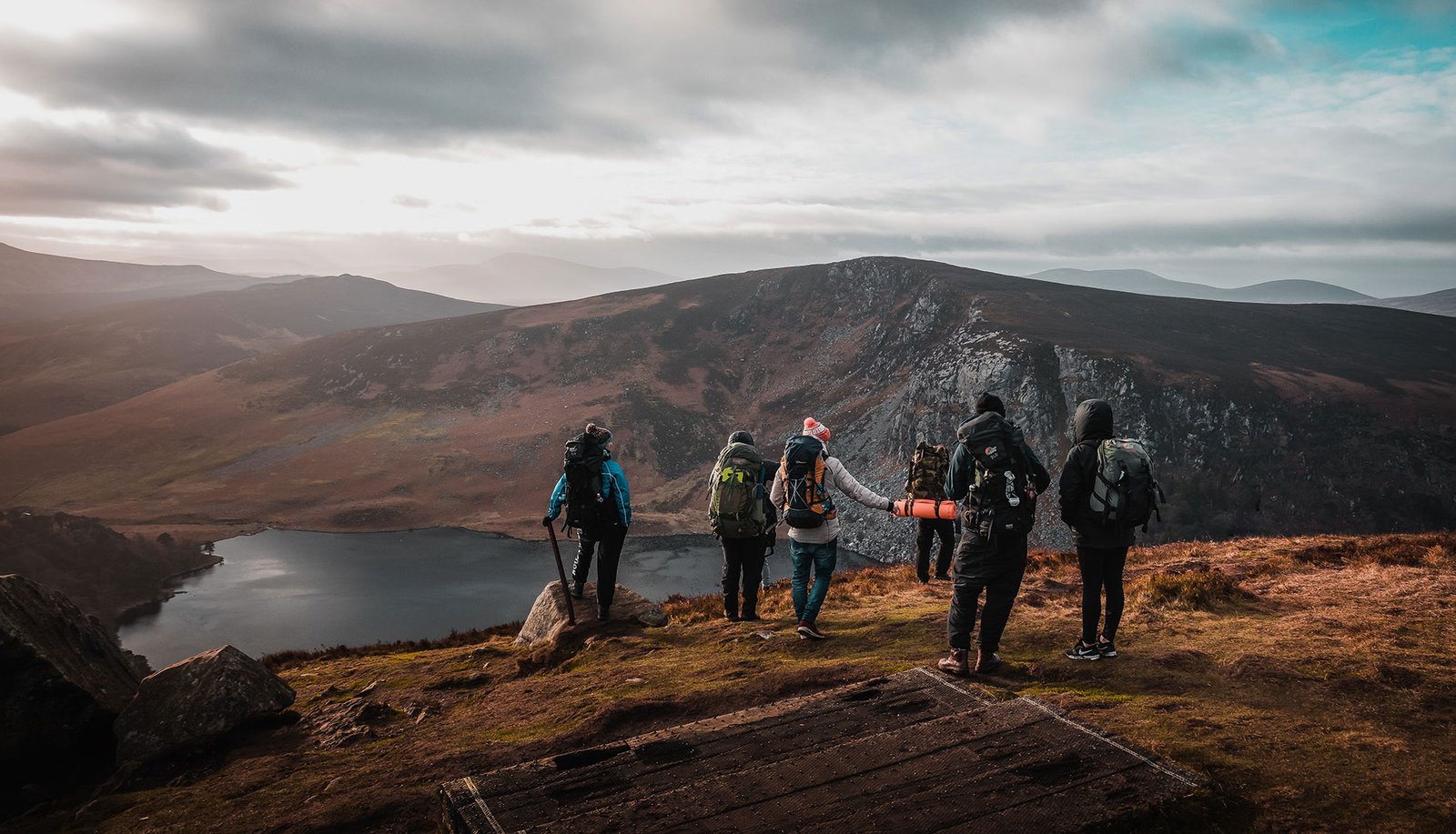
A platform for planning long-distance hiking routes in France and its overseas departments and territories. GR-GO centralizes GPX tracks, detailed stages, points of interest, trail weather, and a unique interactive Tabloguide allowing users to personalize their route in just a few clicks. More than 30 GR® and GRP® routes are listed, with reliable data provided in collaboration with the French Hiking Federation (FFRandonnée).
Woolmoot
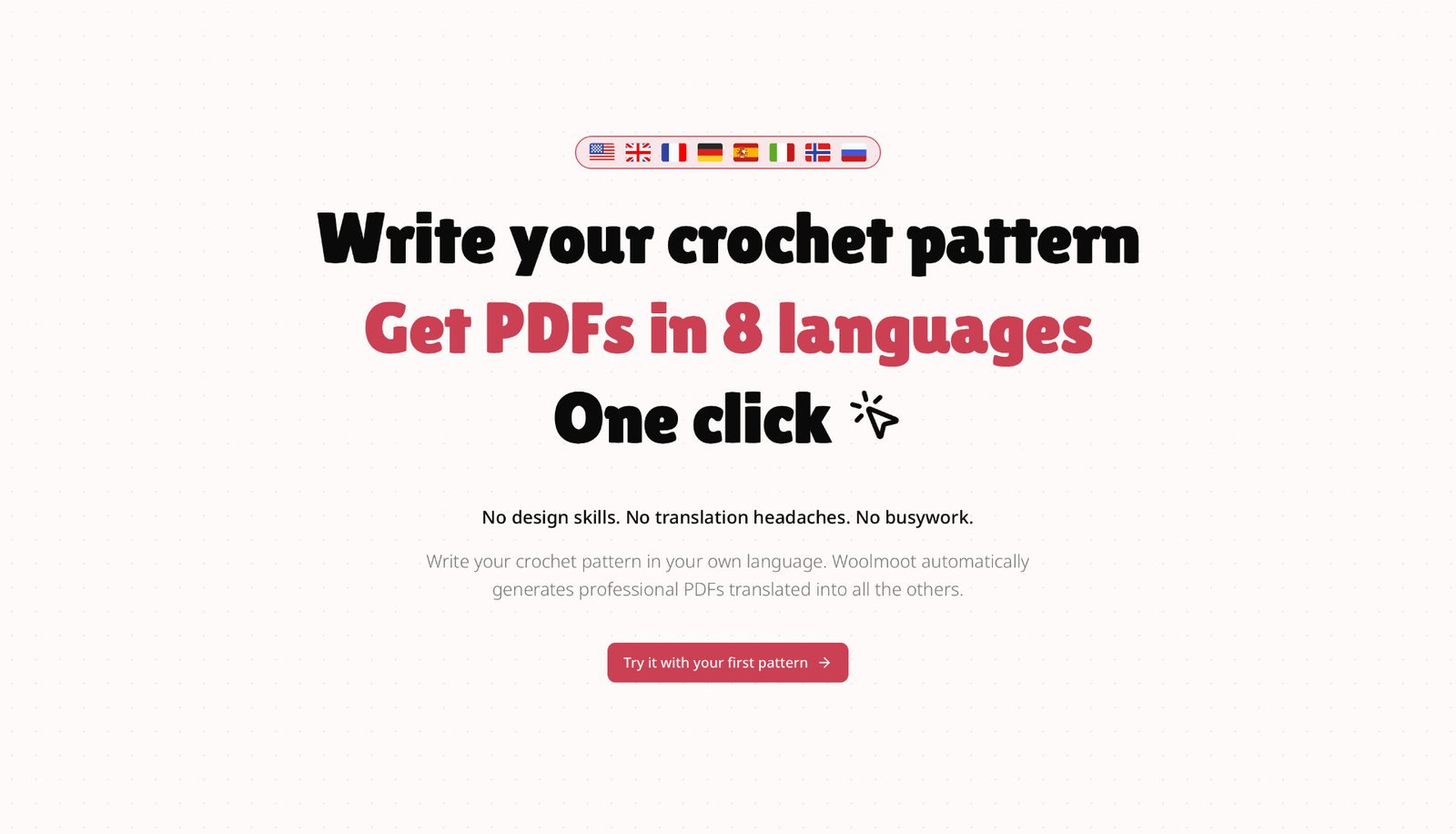
A tool dedicated to creating crochet patterns, designed for designers. An intuitive pattern builder, one-click PDF generation, automatic translation into 8+ languages, and professional layout without requiring any design skills. A deliberate departure from existing methods, which include unsuitable software, hours wasted on Word or Canva, and an influx of AI-generated content.
alea.pw
A password generator designed for one-second, frictionless use. Two generation modes: Diceware (real-word phrases that are memorable and robust) and classic random (mixed characters). Six levels of security with hack time estimates, real cryptographic entropy, and zero data stored or transmitted. Everything happens in your browser.
Embers Tactics
A turn-based tactical RPG with an isometric perspective, blending intimate adventure, tactical combat, and job-based progression. Embers Tactics follows Aëlis, a young warrior who sets out to rekindle flames across the world in memory of her little sister. Features include small parties of four characters, 3D environments, pixel art heroes, unique companions, upgradeable equipment, and a faith system designed to give weight to every tactical and narrative choice.
Who is behind not!key.studio ?
My name is Alex, and I am almost entirely self-taught.
I studied 3D animation for two years, then worked for three years in web marketing before launching my own business. Since then, I have developed a successful hiking site, I have delivered various client projects, and today I am building my own digital products.
My background has given me a profile that is both technical and creative, equally comfortable with web development, art direction, pixel art, and game design. It is this versatility that fuels the studio; each project benefits from all of these skills.
What has guided me from the beginning: curiosity, high standards, and a constant need to learn and do things myself. Whether it's for a web application or a video game, the approach is the same: to build something polished with a real intention behind every decision.
Will you be providing regular updates?
Yes, or at least I'll try my best to do it without slowing down the development itself. I publish monthly devlogs dedicated to Embers Tactics in order to share the progress of the game: what I am working on, what is evolving and the challenges encountered along the way.
These devlogs are available directly on the game's website. They allow you to follow the project over time, discover some behind-the-scenes aspects of development, and learn more about the creative, technical, and narrative choices that shape Embers Tactics.